Seabirds and sea mammals of the fjords
A Kenai Fjords cruise is a wildlife trip as much as a glacier trip. Sea otters raft in Resurrection Bay, and in summer the outer islands fill with seabirds and sea lions. Nothing is guaranteed, but the longer the route, the more chances the captain has to find it.
Who lives along the fjords
The coast south of Seward packs a lot of life into one boat ride. Cold, rich water feeds fish that in turn feed seabirds and marine mammals. The islands and cliffs at the mouths of the fjords give them places to rest and breed. Many of those islands belong to the Alaska Maritime National Wildlife Refuge, and the cruises watch its rookeries from the water. Most boats see several of the animals below, though no captain can promise a single one.
Captains slow down and stop when someone spots an animal. Then the captain or the wildlife guide calls out what they see so both sides of the boat get a look. The longer routes give more chances because they spend more hours on the water and pass more islands. Our route-length guide shows how far each one goes.
Steller sea lions on the outer rocks
Steller sea lions are among the most dependable big animals on the longer cruises. They haul out on bare rock at the edge of open water, and some islands serve as rookeries where females raise their pups in summer. Major Marine's 6-hour cruise passes the Chiswell Islands, which belong to the refuge. Boats out of Seward often idle off rocks like these while the sea lions sprawl and bicker.
You often hear a colony before you see it, a deep roaring that carries over the water, and when the wind blows toward you the smell arrives too. The adult males are far bulkier than the females, which makes them easy to pick out on a crowded ledge.
Otters in the bay and porpoises at the bow
Sea otters are often the first animals of the day. They float on their backs in Resurrection Bay, sometimes in loose rafts, while they groom their fur or crack shellfish on their chests. The half day in the bay is a good bet for them, though not a certain one.
Harbor seals prefer quieter corners. Near the tidewater glaciers they rest on floating ice, and a gray shape on a floe is often a seal rather than a lump of ice. Dall's porpoises are the black-and-white sprinters of the fjords and love to ride the bow wave of a moving boat, throwing up fans of spray as they go. When they arrive, head toward the bow if the crew allows it.
Puffins and the seabird cliffs
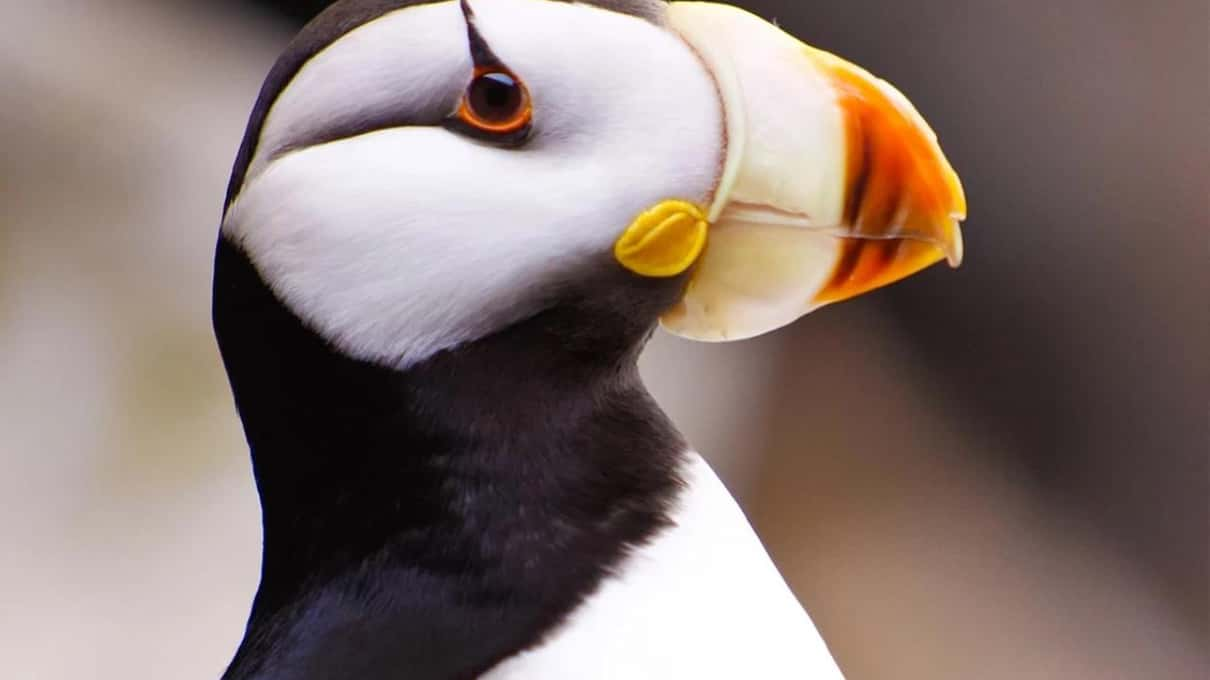
Two puffins nest here, the tufted puffin with its pale yellow head plumes and the horned puffin with its orange and yellow bill. They come ashore to breed from roughly late May into August, so a cruise in that window has the best odds. Outside it they spend their time far out at sea.
On the same islands, common murres pack the ledges shoulder to shoulder, and black-legged kittiwakes fill the air with their calls. Puffins are small and quick, and most of the time you see them as dark shapes whirring low over the waves or bobbing in groups below the cliffs. Binoculars help here more than anywhere else on the trip.
Goats on the cliffs, bears on the beach
Bald eagles perch on snags and ledges along the shore, and the crew usually spots them long before the passengers do. Mountain goats look like white specks on the green cliffs until binoculars turn them into animals. In spring, Major Marine's 4-hour spring wildlife cruise, from ~$123, lists mountain goats with their newborn kids among its sightings, next to migrating gray whales. The catch is that it runs only in spring (roughly March to May) with no lunch included, and since it stays between Resurrection Bay and the edge of the gulf, you see no glacier face.
Black bears sometimes forage on the beaches, and one GetYourGuide reviewer saw one from the boat. Count a bear as a bonus, never as the reason to book a particular route.
Let the captain chase the reports
Captain's Choice, from ~$255, gives the captain the morning to choose between Aialik and Holgate Glacier using the weather and the latest wildlife reports. That way your 7 hours go where animals are being seen. A wildlife guide rides along, and a hot lunch is included.
Whales, in brief
Humpbacks and orcas are the animals most people hope for, and both appear on Seward cruises in summer. Both turn up more often along the open coast beyond the bay's mouth than in Resurrection Bay itself, one more reason the 6-hour and full-day routes find more. The listings of both operators say a whale sighting cannot be guaranteed, and some days the sea stays empty. Our whale guide covers the species and their peak months, along with how to spot a blow. If you are fitting a cruise around a ship, our cruise-ship day plan sorts out the timing.
Binoculars on deck, an aquarium ashore
Major Marine lends binoculars to use on board. On Kenai Fjords Tours' boats, bring your own pair, since a guide's call of puffins on a cliff means little without magnification. Step outside when animals are near, then warm up in the heated cabin between sightings. The deck is windy and wet even in July, and our packing guide lists the layers that help. Puffins and peak whale weeks overlap in early summer, as our seasons guide explains month by month.
When the weather keeps you ashore, or you want to see animals up close, the Alaska SeaLife Center in Seward is an aquarium and marine rehabilitation center where rescued animals recover. It makes a good second activity for families, and our guide to cruising with kids pairs it with the shortest boat. The ice at the far end of the fjords gets its own page in our glacier guide.